
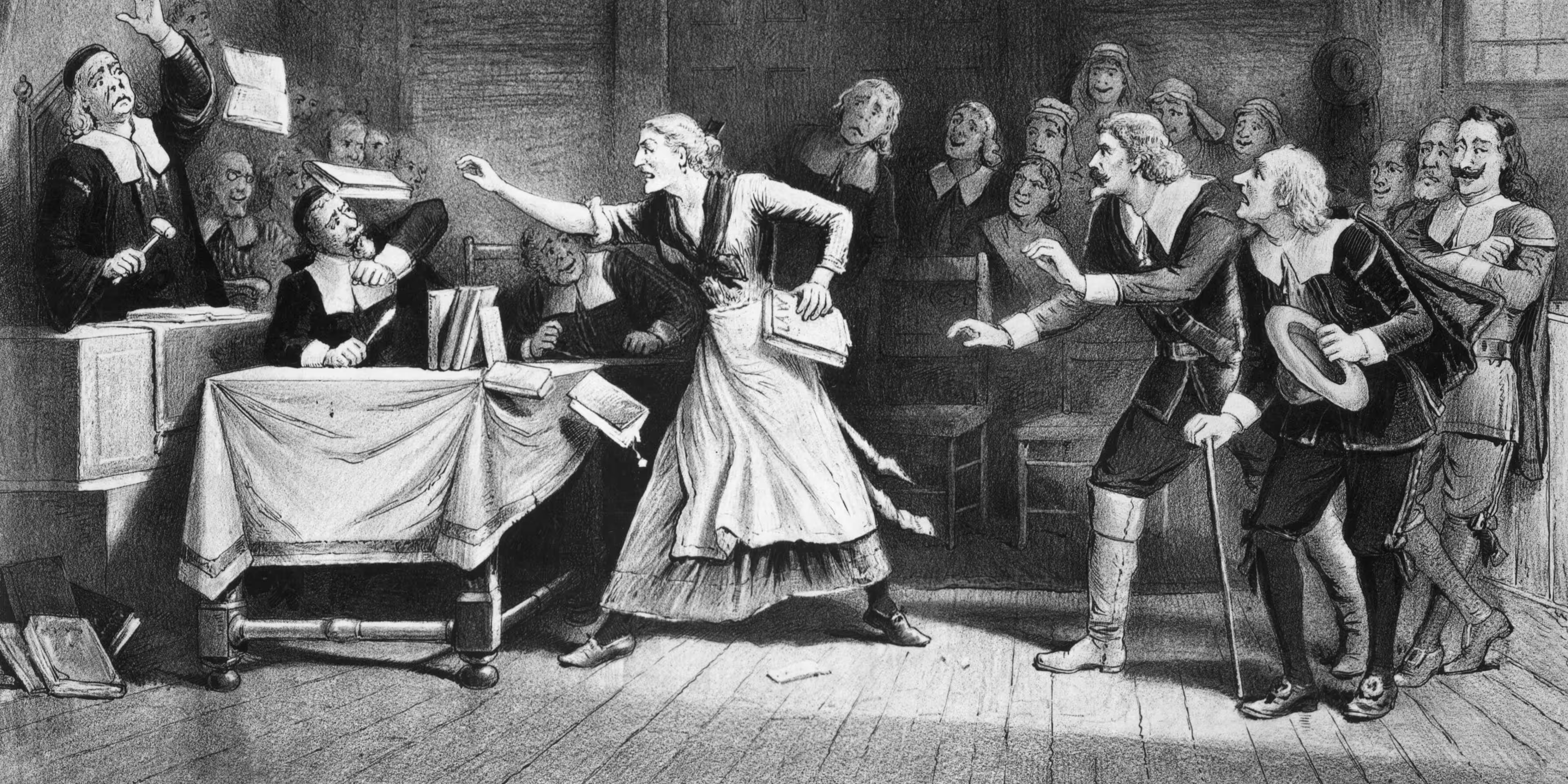
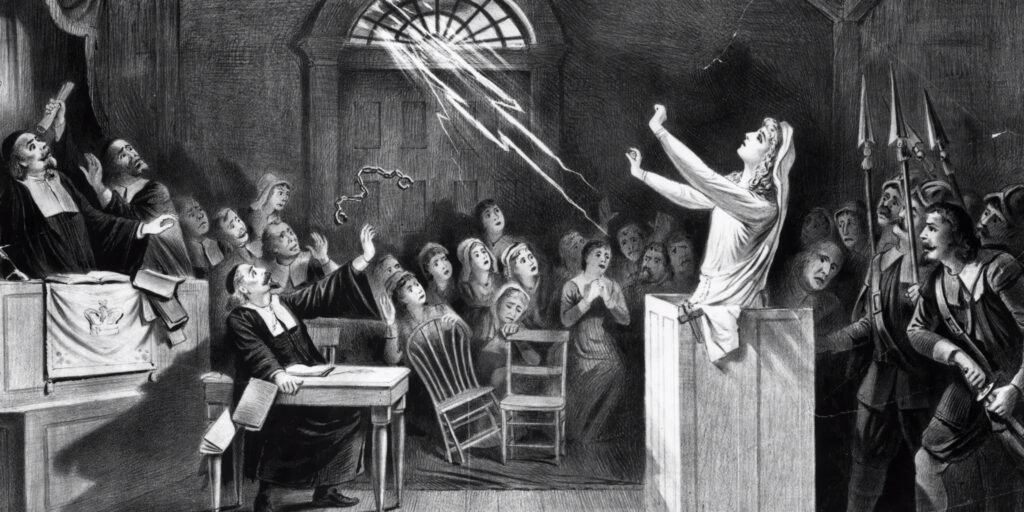
March is a powerful month in the history of the Salem witch trials.
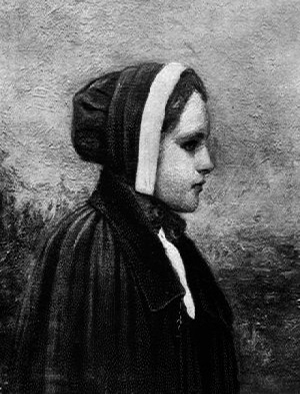
On March 1, 1692, authorities formally charged the first accused woman, Bridget Bishop, with witchcraft. The accusations that followed created one of the most tragic chapters in early American history.
What Actually Happened
Between February 1692 and May 1693 in colonial Massachusetts:
- Over 200 people were accused of witchcraft.
- 30 were found guilty.
- 19 were executed by hanging.
- Giles Corey was pressed to death with stones.
- Several others died in jail awaiting trial.
The majority of the accused were women, though men were also targeted.
The Truth Behind It
Contrary to popular myths, this was not simply about “witches.” It was a mix of:
- Religious extremism and Puritan fear of the Devil
- Political instability after the revocation of the Massachusetts charter
- Economic stress and land disputes
- Personal grudges within a small, divided community
- Mass hysteria fueled by spectral evidence (visions and dreams admitted in court)
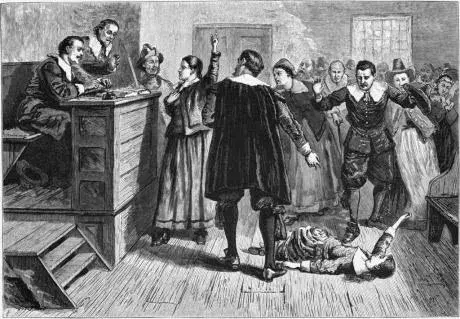
There was no real evidence of witchcraft. The trials relied heavily on fear and accusation rather than proof. Spectral evidence—claims that someone’s spirit harmed another—was considered valid testimony. Today, we recognize how dangerous that standard was.
By 1693, even colonial leaders realized the injustice. The governor eventually dissolved the court, and years later, the colony formally acknowledged that the trials were a mistake.
How It Affected the Community
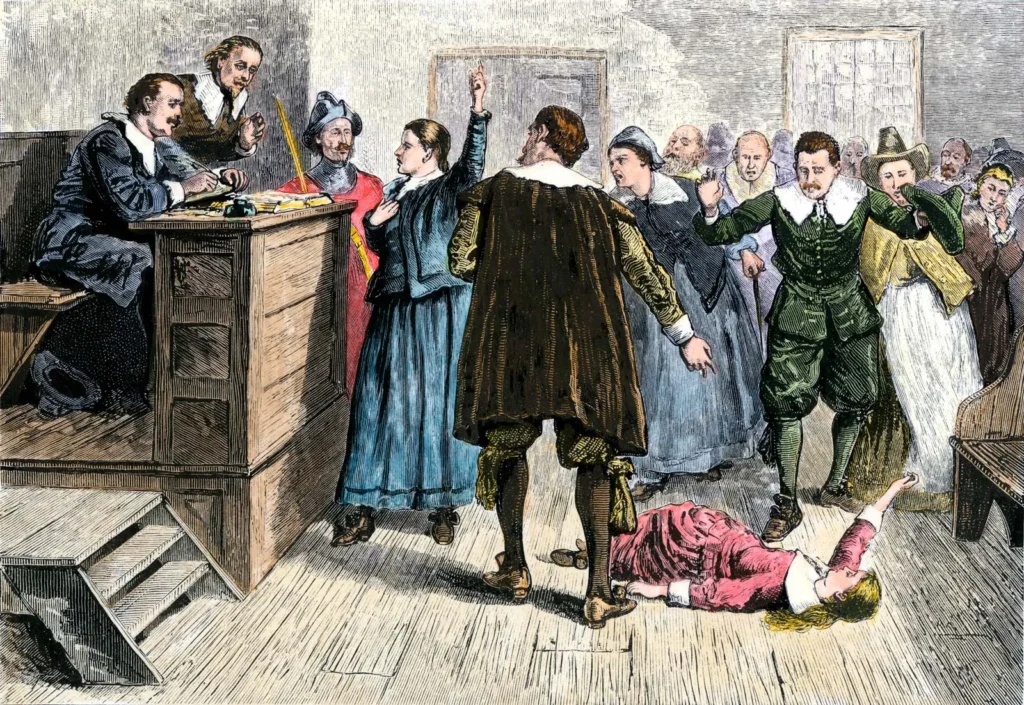
The impact on Salem and the surrounding villages was devastating:
- Families were torn apart.
- Property was seized.
- Reputations were destroyed.
- The community carried generational shame and grief.
In 1711, the colony passed legislation restoring rights and providing financial restitution to some families. In 1957, Massachusetts formally apologized. As recently as 2022, additional victims were officially exonerated.
The wounds lasted centuries.
How Far We’ve Come
The Salem Witch Trials helped shape:
- Stronger standards for legal evidence
- The principle of “innocent until proven guilty.”
- Skepticism toward mob mentality and moral panic
- Greater awareness of how fear can override reason
Today, Salem has transformed its history into education and remembrance. Memorials honor the victims by name. The story is taught not as superstition, but as a warning.
Why It Still Matters
The trials remind us:
- Fear can spread faster than facts.
- Communities can turn on their own when panic replaces reason.
- Justice requires evidence, not emotion.
We live in a time where misinformation can travel instantly. Salem shows us what happens when hysteria becomes law.
And yet, it also shows growth.
We have stronger legal protections. We value due process. We question authority more critically. We continue to revisit history to correct past wrongs.
Remembering March 1st isn’t about reliving fear.
It’s about honoring the innocent—and choosing to do better.
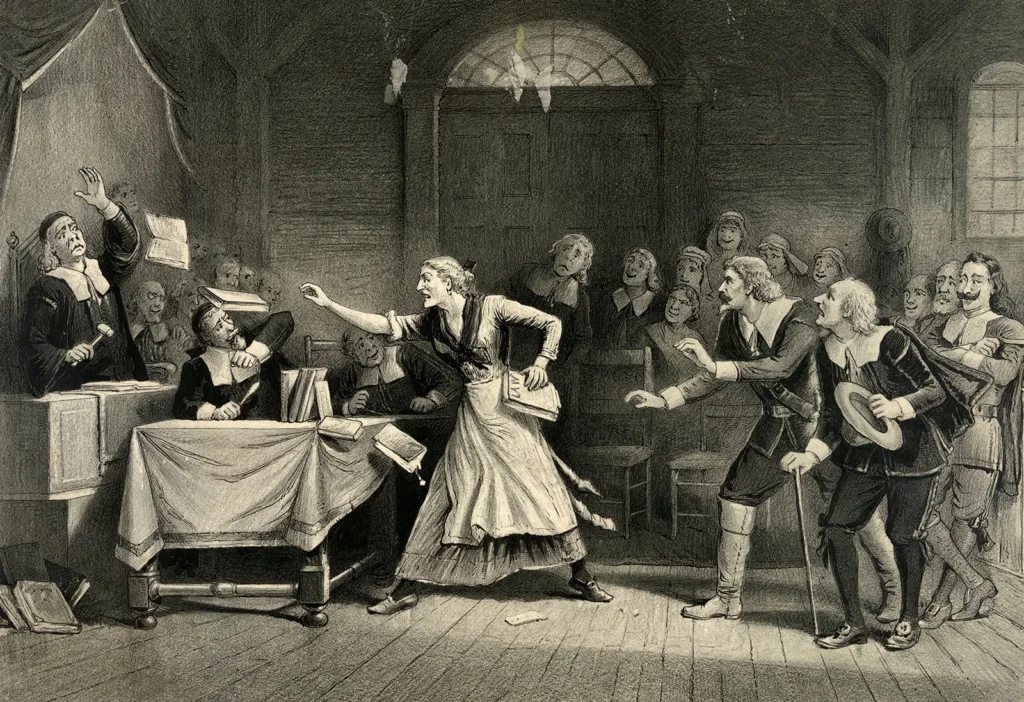
History only repeats when we forget it.